

Somewhere in Northern Italy...
Issue 015 Essay: Finding the authentic side of Tuscany in its quieter corners.

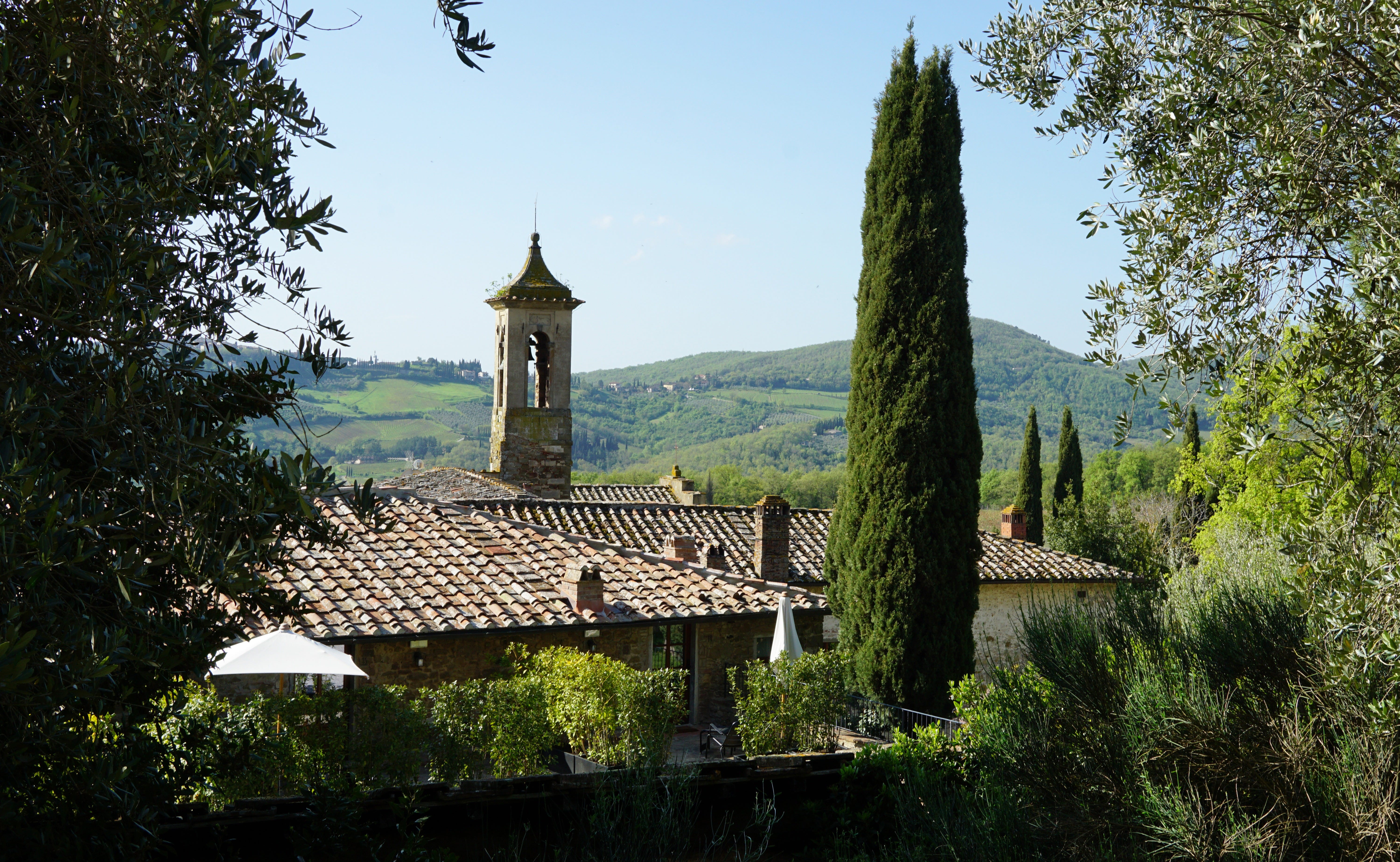
A purposefully ambiguous line of text opens the film adaptation of Call Me By Your Name: “Somewhere in Northern Italy.” Just before leaving for the country last month, I borrowed it for the subject line of my out-of-office reply, since I’d be moving around so much. (It also felt like a fitting title for this issue, for the same reason.) It was clever of the 2017 movie’s director, Luca Guadagnino, to keep the location vague—had he been more specific, the tiny village and its surroundings used during shooting would likely be overrun today with “set-jetters” seeking out filming spots from their favorite scenes.
While CMBYN was largely filmed in Lombardy, my destination happened to be nearby Tuscany, which, according to several locals I spoke to, has another film’s success to thank for its popularity. The 2003 rom-com Under the Tuscan Sun, starring Diane Lane as a divorcée who impulsively buys a crumbling villa, firmly put the region on the map for American tourists. More than two decades later, Tuscany is by far Italy’s most visited region. Some arrive in search of their own love story, while others come simply to bask in the postcard-perfect countryside they’ve seen on screen. In fairness, there’s also the art museums of Florence, the engineering mishap in Pisa, and countless more world-famous cultural sites to entice such a large amount of tourists.
Most years, I travel to Milan for the city’s annual design week in April, and use the opportunity to explore other parts of the country while I’m there. Previous two- or three-night detours have taken me to Cinque Terre, the Amalfi coast, and Lake Como—all incredible, and also all touristy! This year, I coincidently received invitations for group trips to visit two luxury Tuscan hotels either side of Milan’s Salone, and generous offers from other properties in the area to fill the gaps in my individual itinerary. So I was able to spin this into a 2.5-week adventure that encompassed a large swathe of Italy’s emblematic rural region.
I’ll be honest, Tuscany was not my first choice. Crowds aside, I try to prioritize new destinations whenever I possibly can, and I’d already visited many of the region’s cities—first on a school arts trip, and again when I returned for a wedding in 2024. But if there’s ever a perfect time to go, it’s late April, when the weather is typically warm and sunny, the days are longer, and it’s still relatively quiet. This year’s itinerary would also take me to parts of Tuscany that I hadn’t yet explored, including several beautifully remote hotels set in striking country and seaside landscapes that I’d heard many great things about.
I flew from Newark to Malpensa on all-business-class airline La Compagnie, and the lay-flat seat, attentive service, multiple glasses of champagne, and actually edible food made the red-eye far more pleasant than previous years stuffed into economy. Then, from the cavernous marble halls of Milano Centrale to single-platform countryside stations and back again, I crisscrossed northern Italy—taking a train every few days. As rolling fields, medieval hilltop villages, and grand villas with cypress-lined driveways straight out of Gladiator flashed past my carriage windows, I jotted down my thoughts from each previous stop. I’ll break down the individual properties and stays for paid subscribers next week (upgrade above if you’re curious!). But for now, some general musings…


Chianti is jaw-droppingly beautiful
As the first stop on my trip, the famous wine region across the hilly landscape between Florence and Siena really set the bar high. My nose was practically pressed against the car window as we wound through the Chianti countryside around our hotel, Pieve Aldina. Passing dramatic valleys laced with olive groves and vineyards, and tiny hilltop towns that looked like paintings, the landscape appeared untouched for centuries—a perfect encapsulation of a simpler time. After a fascinating visit to one of only a few remaining terracotta producers in the region, a delicious pasta dinner at a family-run trattoria, and wine-tasting and cooking classes at Pieve that were both educational and very fun, I already felt as if I was seeing a different, more nuanced side of Tuscany.


Siena’s cultural history is captivatingly unique
On a day trip to Siena, we visited a museum dedicated to, and run by, one of the city’s 17 contrade (neighborhood factions), which compete in the twice-yearly Palio horse race around the central Piazza del Campo. Featured in the opening sequence of 2008 James Bond film Quantum of Solace (lots of movie references in this issue!), I only had a vague understanding of the event. So it was eye-opening to hear directly from a member of the Tortuga (tortoise) contrada, who spoke in detail about the centuries of the history and traditions, passionately described fierce rivalries, and recalled dramatic race victories. Afterwards, we even caught a glimpse of Tortuga’s blue and yellow colors spinning through the air during a flag-throwing practice in preparation for this summer’s Palio festivities.
The Tuscan coast is not to be missed
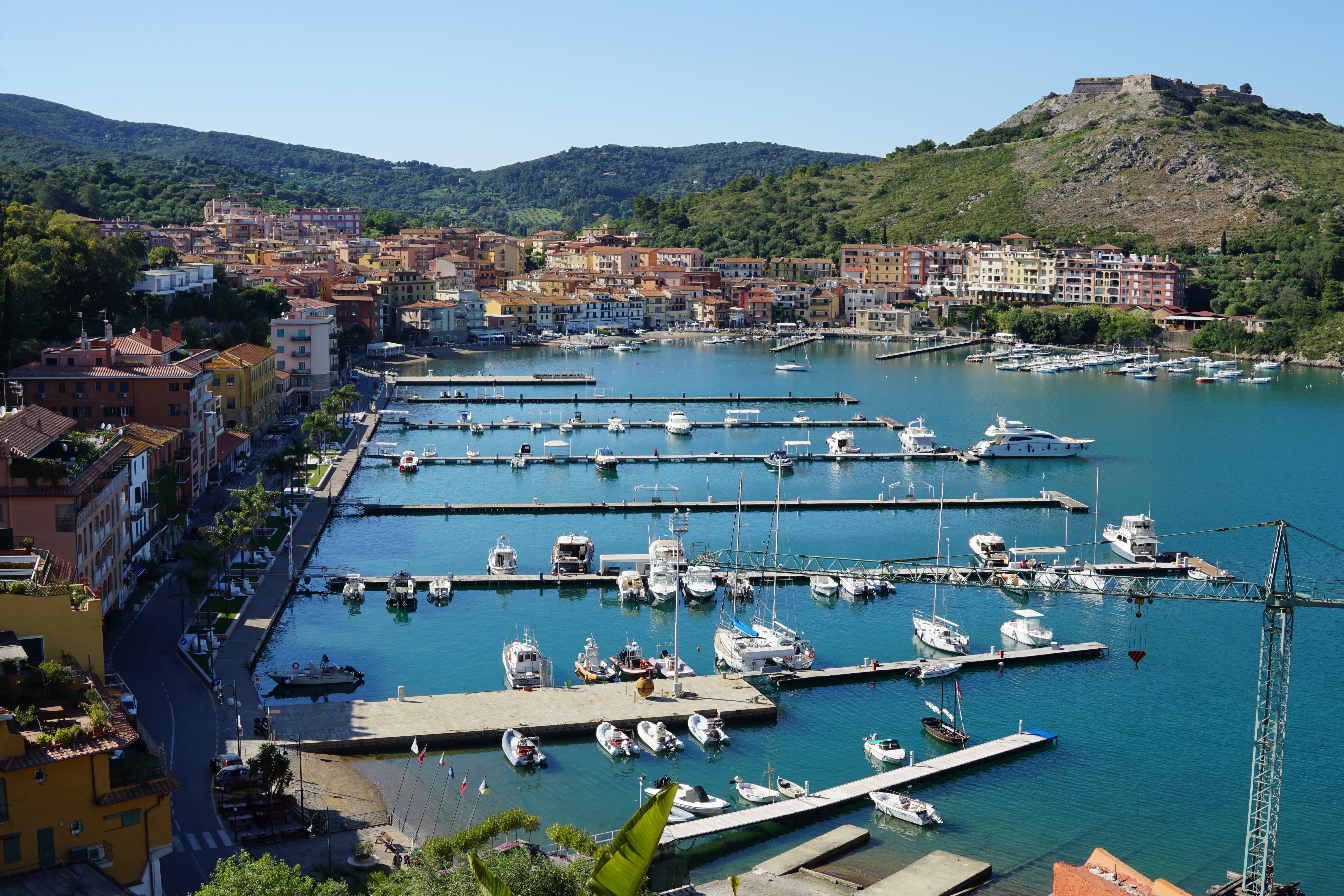
The harbor town of Porto Ercole was one of my favorite stops on the trip—partly because it offered a much-needed pause immediately after the frenzy of Milan design week. Located on the Monte Argentario peninsula, this charming little port is accessed via a single causeway and therefore not the easiest to reach. It’s not as strikingly beautiful as Positano or Portofino, but that may be its saving grace. With only two luxury hotels in or close to the town—Il Pellicano, and La Roqqa where I stayed—and a largely Roman summer crowd, it’s blissfully quiet in the spring.
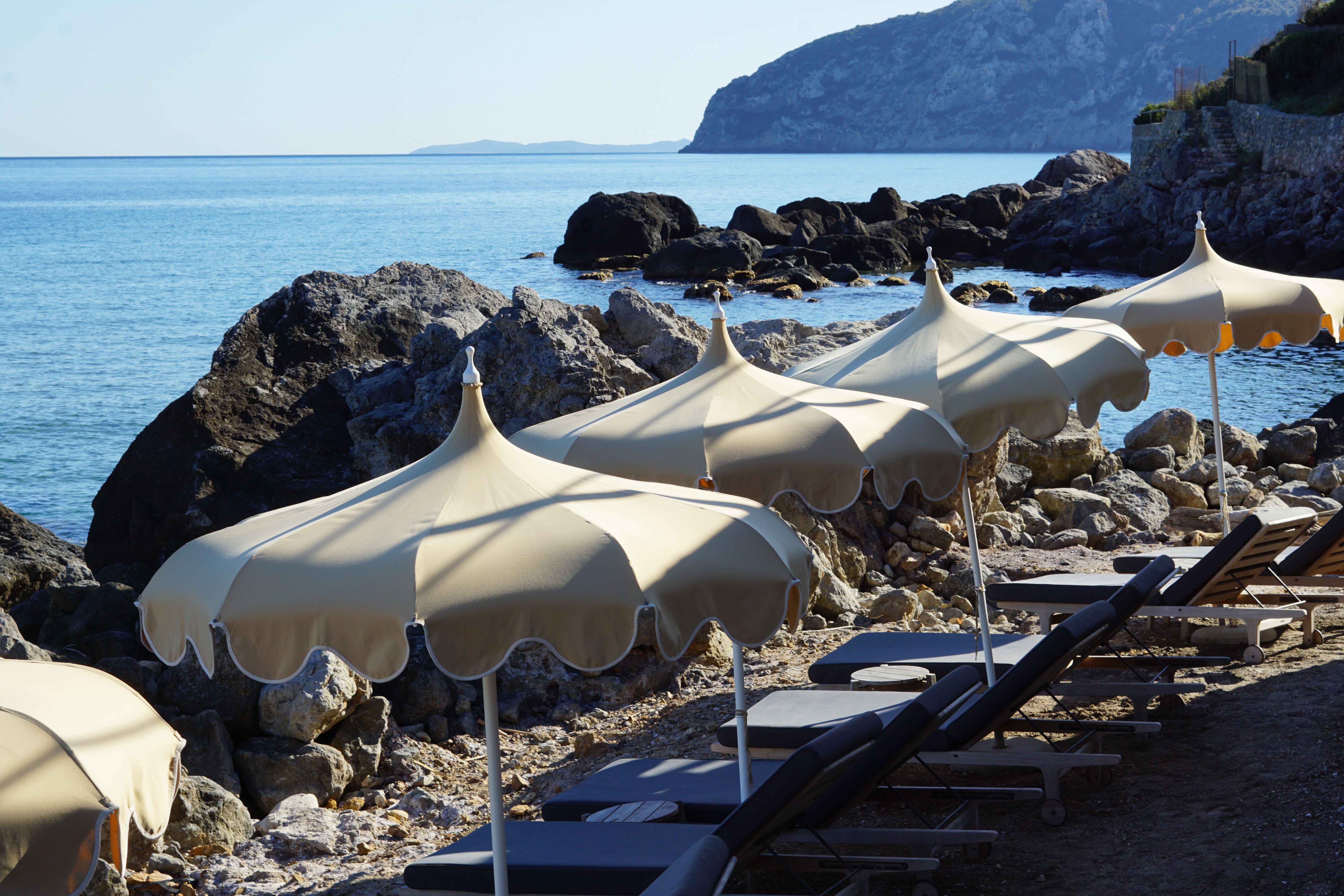
I found its small size and slow pace to be utterly disarming, as I wandered through the narrow switch-back streets of the fortified medieval town, and found no wait for dinner at a bayside pizzeria where I wolfed down a very satisfying Diavola. Not to mention the nearby Isolotto Beach Club, found at the end of a steep track down the verdant mountainside. Its rows of loungers were neatly arranged on grassy terraces that stepped down to crystal-clear waters lapping the rocky shore, just like in Amalfi—though this spot was practically deserted so early in the season. Overall, I felt like I’d discovered a little slice of heaven that I had almost all to myself.


Climate change is affecting world-famous produce
While out truffle hunting with Tuscan farmer Gianluca and his expert canine fungus-finder, Rosa, we learned about the agricultural history of the delicacy as well as the current challenges brought on by the changing climate. Shifting seasons have forced some farmers into naturally cultivating the precious resource, rather than only foraging in the wild, and greater competition between farms is even eliciting sabotage.
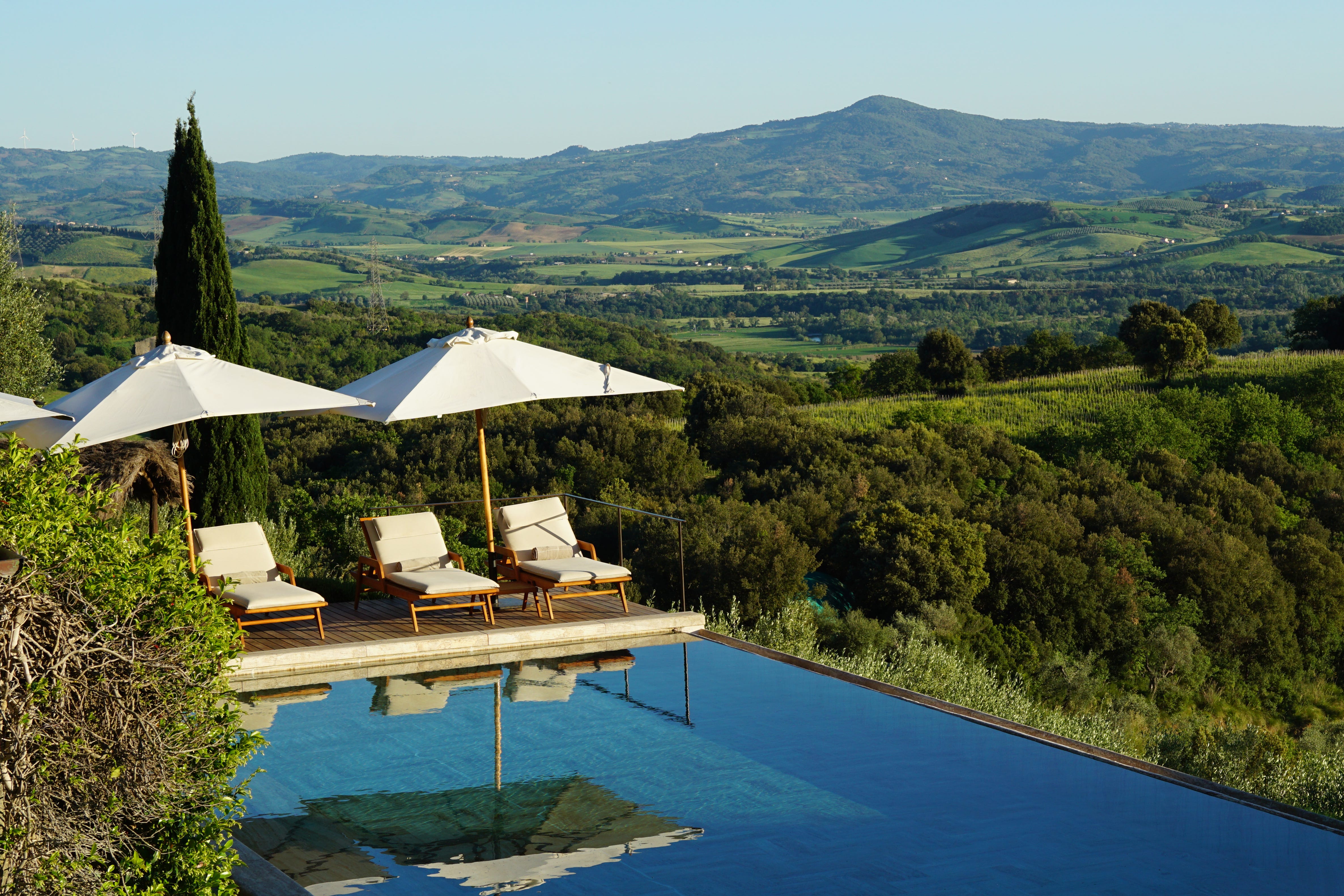
A similar story emerged during a wine tasting at Castiglion del Bosco the following day, when the sommelier revealed how unpredictable weather patterns are threatening the production of Brunello di Montalcino—the region’s famous red (of which we consumed several bottles of during our stay). In 2015, a large proportion of the crop was destroyed by a freak hail storm in August, while 2021 was the second-driest year in the last 30 and emergency irrigation system had to be introduced to protect the vines. A stark reminder that climate change is afflicting every part of the world.
Authentic Tuscany still exists—if you’re willing to search for it
On our last night at Castiglion del Bosco, and the final night of my trip altogether, we cozied up in our villa’s den and watched—you guessed it—Under the Tuscan Sun. As the movie played, I realized how much I’d grown to better understand and appreciate this world-renowned region during my relatively brief stay. Beyond the historic cities and idyllic countryside, Tuscany’s allure is the magic and romance of its languid lifestyle, flavorful food, and passionate people. Who wouldn’t want a slice of that?
The key is to slip away from the over-visited sites, and find opportunities to connect with local experts and support family-run businesses. Across the region, countless charming hotels and villas—set in former monasteries, castles, farmhouses, and borgos—offer exactly that. So whether you’re enticed to Northern Italy by Under The Tuscan Sun or Call Me By Your Name (wait, can someone produce a hybrid: historic Italian villa restoration and gay yearning?!), or another reason entirely, I encourage you to seek out the “somewheres” that others may not have discovered yet.
Far-Flung Corners is currently accepting pitches and partnership opportunities. If you own or represent a hotel or destination that you think would be a great fit for the publication, or would like to explore options for bespoke content, please get in touch!
Don’t forget to follow @farflung.corners on Instagram for more photos, updates, musings, and more. Love, D x
The best travel writing leaves you wanting to understand a place rather than simply visit it. This piece does exactly that, highlighting how curiosity, local connections, and a willingness to venture beyond the obvious can transform a destination from a backdrop into an experience.